Burned by Financial “Experts”: Robert Rolih on Financial Independence and Ownership
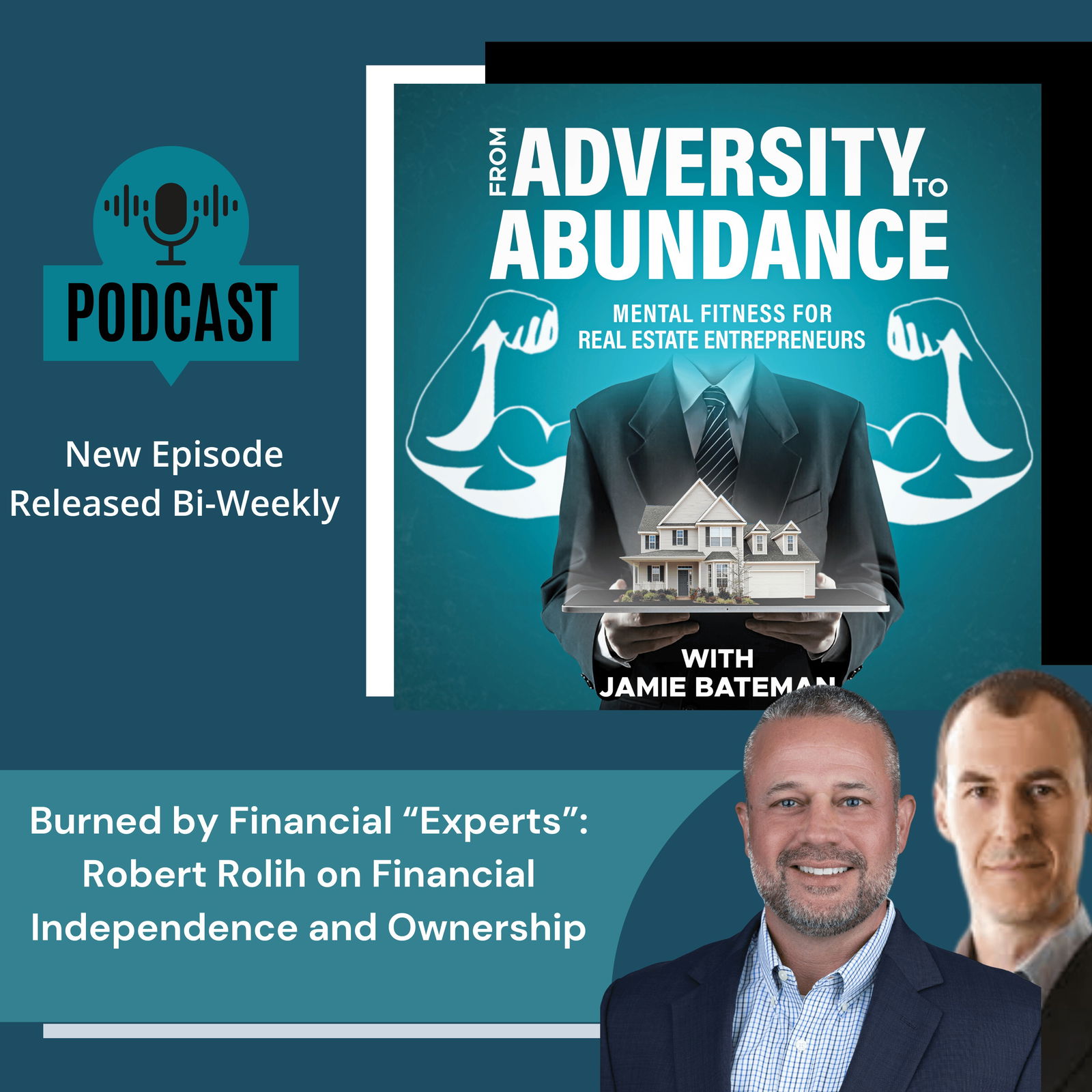






In this episode of From Adversity to Abundance, host Jamie Bateman sits down with Robert Rolih, an international bestselling author, financial educator, and entrepreneur living in Slovenia. This conversation takes a different turn than many past episodes, focusing on financial ownership, personal responsibility, and the hard lessons that come from trusting the wrong “experts.” Robert shares how growing up without much money shaped his drive to build a web development and software business from a young age, finally becoming profitable after five years of persistence.
That success, however, was followed by a major setback. After reinvesting nearly all of his business profits with financial experts and gurus, Robert suffered significant losses — forcing a powerful mindset shift. In this episode, he breaks down the three key steps he took to educate himself on investing, how he rebuilt and grew his portfolio, and what he learned along the way. The discussion spans stocks, crypto, and real estate, while also calling out Wall Street and guru culture. Today, Robert runs a lifestyle-focused business that allows him to work flexibly, travel with his family, and experience a level of financial abundance that didn’t feel possible before.
Guest Introduction:
Robert Rolih
Robert Rolih is an international bestselling author, financial educator, and entrepreneur based in Slovenia. After building and selling software and web-based businesses, Robert experienced major financial setbacks by relying on financial experts and gurus. That turning point led him to take full ownership of his investing education, rebuild his portfolio, and design a lifestyle-centered business that prioritizes freedom, flexibility, and financial abundance.
Episode Highlights:
- Growing Up Without Money – Robert shares how his early financial background shaped his mindset.
- Building a Business from Scratch – Five years of persistence before finally becoming profitable.
- Costly Lessons with “Experts” – What Robert learned from trusting financial gurus.
- Taking Ownership of Investing – The mindset shift that changed everything.
- Three Steps to Financial Education – How Robert re-educated himself and rebuilt his portfolio.
- Rejecting Wall Street & Guru Culture – Why Robert is skeptical of traditional financial systems.
- Designing a Lifestyle Business – Creating flexibility, freedom, and family time through smarter investing.
Key Takeaways:
- Outsourcing financial responsibility can be costly if you don’t understand what you’re investing in.
- Taking ownership of your financial education is critical to long-term success.
- Financial setbacks can become turning points when paired with the right mindset.
- You don’t need gurus or Wall Street to build financial abundance — education and accountability matter most.
- A lifestyle-driven approach to investing can create both freedom and fulfillment.
Learn More about Robert Rolih:
Website:
Twitter:
Instagram:
www.instagram.com/robertrolih/
Facebook:
Youtube:
LinkedIn:
www.linkedin.com/in/robert-rolih-685a6893/
Learn More about Labrador Lending:
Integrity Income Fund:
labradorlending.com/passive-investors/
Labrador Mentorship:
labradorlending.com/active-investors/
Asset Management Service:
labradorlending.com/hybrid-investors/
—
Purchase Jamie’s Book: www.amazon.com/dp/B0CGTWJY1D?ref_=pe_3052080_397514860
—
Leave us a REVIEW: podcasts.apple.com/us/podcast/from-adversity-to-abundance/id1618672867?mt=2&ls=1
www.adversity2abundance.com/reviews/new/
Connect with us
Website: www.adversity2abundance.com
Facebook: www.facebook.com/labradorlending/
Instagram: www.instagram.com/labradorlendingllc/
LinkedIn www.linkedin.com/company/labrador-lending/?viewAsMember=true
Youtube: www.youtube.com/channel/UChYrpCUlqFYLy4HngRrmU9Q
Connect with Jamie
LinkedIn: www.linkedin.com/in/jamie-bateman-5359a811/
Twitter: twitter.com/batemanjames
Speaker 0
Today, we get the chance to hear from Robert Rolih. He's an international best selling author, and he's a financial educator. And he is he lives in Slovenia. Pretty different episode than a lot of those that we've had before. We talk a lot about taking ownership of your own investing situation, and we hear about Robert's story, how he grew up without a lot of money and was able to run a a web development, business, software business for when he was young. He he took five years and ended up finally making money through his business. Well, the problem was he invested everything, his business profits with financial experts and gurus and apparently lost, close to all of it. And so he, he he walks us through how he made the mindset shift to take ownership of his own investing situation and what he actually did. He gives us three steps that the three steps he took to get educated on investing. And he also does give us some investing tips along the way. And then we hear about how he's able to he's grown his own portfolio since rebounding and is able to run this lifestyle business that he has and sounds like he can work kinda when he wants and takes really nice vacations with his family and is certainly experiencing a lot more experiencing a lot more financial abundance than than he was. So it's a refreshing episode. He's pretty anti, financial guru and Wall Street. We talk a good bit about different stocks and crypto and even real estate. He is into real estate investing as well. So I hope you enjoy this episode. I think it it brings a a powerful combination of of inspiration and practical value and some humor along the way. So enjoy.
Speaker 1
From adversity to abundance, hosted by entrepreneur and seasoned real estate investor, Jamie Bateman, is the ultimate guide for active and passive investors seeking clarity, mental fitness, and the confidence to make inspired decisions in the world of real estate. With a decade plus of investing experience across various niches and a background as a combat veteran, former army officer, and multimillion dollar mortgage note company owner, Jamie brings a wealth of knowledge and inspiring stories to each episode. Through weekly episodes featuring insightful interviews with industry leaders and solo explorations of mindset and strategy, listeners will uncover actionable advice and tips to overcome challenges and build lasting financial success. Whether you're a seasoned investor or just starting, from adversity to abundance is your road map to turning obstacles into opportunities and achieving financial freedom.
Speaker 0
Welcome everybody to another episode of the from adversity to abundance podcast. I am your host, Jamie Bateman. And today, we we have with us Robert Rolih, who is an international best selling author and an investing educator. Robert, how are you doing today?
Speaker 2
I'm great. Very, very, thankful to be here at this podcast.
Speaker 0
Yeah. Thanks for joining us. Now where are you joining us from?
Speaker 2
So I'm from Slovenia, and I still live in Slovenia. My business is international business. I have, clients or members from seventy three countries, but I still live in Slovenia. It's a very small country just near Italy and, Austria. So it's, we're yeah. It's a it's a nice place to live in.
Speaker 0
Nice. I know you said it's nighttime there right now, so thank you for taking the, your evening to spend it with us. We appreciate that. So, I know I my listener base tends to be a a real estate investors, residential real estate investors, those who you know, we're not necessarily anti stock market, but we're they're very open to alternative investments and, I guess, taking ownership of your investing, your and your financial path. And and, that's a big theme with my show is just, taking ownership of your own situation. Right? Whatever it is that we're talking about, but not, abdicating that responsibility to someone else, and and one hundred percent relying on, quote, unquote, experts. So I feel like that may be something you can speak to. But, for the listener who may be unfamiliar with you, Robert, who are you and what are you up to today? And and highlight some of the abundance that you're currently living in.
Speaker 2
So I am, very thankful that, I have a total, financial and time freedom. I run a lifestyle business. So it's just me and, I have two employees in my company, plus some some guys that are outsourced. But, yeah. It's it's an amazing time that we are living in because you can run a global business with a very small team. And this kind of business can give you a lot of profits and also it can give you a lot of time freedom. So, this is something that never in the history, you know, this was, was this possible. So it's Sure. It's great that, now we can we can run such businesses, and I'm happy that I'm
Speaker 0
running one of them. Yeah. Absolutely. Yeah. So that's that sounds really good. I I, been listening to an audiobook called the, what is it, the art of spending money, and a lot of the the theme is about, you know, money is is a tool, and it's important. But Yeah. It's so easy to get caught up in the kind of scaling and and going bigger, and and that doesn't often lead to happiness necessarily.
Speaker 2
Yeah. I could scale Yeah. Quite a lot, But, I don't know. I decided that, I am very happy with my customer base
Speaker 0
Mhmm.
Speaker 2
Currently. And, I am expanding, but not I'm I'm not like working twenty four hours per day Mhmm. To expand my business. Yeah. I'd love to be with my family. I love to be with kids. I don't want them to grow grow without a father Right. Right. Or a father that is nonstop working nonstop. So, yeah, they they see that I'm working, that I'm working hard, but I also have a lot of time for them.
Speaker 0
Right.
Speaker 2
So this is very, very important that you have this kind of balance.
Speaker 0
Right. And and and at least think through that for yourself, right, and for your family and Yeah. Whether you what what do you want? Right? Because it's very easy as an entrepreneur to get caught up in, you know, more is better and scaling is better. I don't know if it's
Speaker 2
you are a bit this this kind of if you if you are that kind of person, it's perfectly okay. You know? Sure. You just need to, look into yourself and Right. Decide what do you want to do. Right. And something that is good for me is not good for somebody else. Right. So you need to find your own path and Yeah. That we
Speaker 0
Well, talk to us. I know it didn't wasn't always that way. Right? Because I know financial the financial side of things and investing is your is your, forte, and that's obviously been a huge your the success you've had there has been a huge factor in allowing you to have this lifestyle business where you it sounds like you can pick and choose somewhat when you wanna work, how much you wanna work. But I know it wasn't always that way. So talk to us about your your story and the the beginnings, and and, I I don't think you were living in as much financial abundance Yeah. A while ago. So tell us tell us about your story.
Speaker 2
Yeah. I I was growing up in, when I was growing up, Slovenia was still, part of the communist block.
Speaker 0
Mhmm.
Speaker 2
And we never had money. We were always struggling, when I was growing up. I can still remember my father. He was, he had this Jimmy Hendrix hairstyle, and Nice. He was a very tough guy. And whenever I asked him for something when I was a teenager, the reply was always the same. Robert, you can't afford it. Mine doesn't grow trees. And that was the story of of of of my teenage years.
Speaker 0
Mhmm.
Speaker 2
And maybe that was also the reason why I always had these big dreams.
Speaker 0
Mhmm. I
Speaker 2
wanted to become someone. I wanted to become wealthy. Mhmm. This, was maybe a motivation for me, Mhmm. To get out of this kind of life and to really start living a life that, that is an amazing life. So when I was a student, I started my own company from scratch in a student dorm. And after, like, five years of hard work, this company finally started to produce quite a lot of profits. And, at that time, it was like in I was in heaven. I believe that I'm making all that money. At that time, my business was a web design business. Okay. You know, Internet was all the rage at that time. This was around the year two thousand. And, yeah, I learned how to code a bit, how to create websites, and that was my business. And, yeah, I earned a lot of money, but I and I at that time, I knew that I should invest a part of the money that I'm making. Mhmm. But I didn't know how. I was totally financially illiterate. So that at that time, I trusted financial advisors.
Speaker 0
Sure.
Speaker 2
And year after year, I gave them all my business profits.
Speaker 0
Mhmm.
Speaker 2
And they were investing that money for me, and I was happy. And then after several years of doing that, me and my wife, Sarah, we had a conversation. And she said, Robert, I know that you trust these guys, but maybe just let's check what is happening with all that money and where we stand financially. So I ordered all these account statements. And when the envelopes arrived, it was like, what? Are there some zeros missing? Wow. Money that I worked hard to earn Right. Was mostly gone.
Speaker 0
Well, Well, I was gonna say just quickly five years, just to jump back briefly. Five years at that age is a really long time. So you you I I mean, so that's a lot of time and effort, it sounds like, that you put in, you know, to getting to that point. So it's not like it was just handed to you
Speaker 2
No. It was not like an overnight success. It's it's never an overnight success.
Speaker 0
No.
Speaker 2
Yeah. And it it was really depressing, that period of time for me, because, you know, you are working hard. You are making a lot of money, and then everything just
Speaker 0
So these were financial advisers in Slovenia or or in the US?
Speaker 2
In Slovenia, I had also one international, in my money manager and so on. Uh-huh. You know, they, they, of course, they, put my money into high fee products where they were making a lot of fees. And I was making very little. Then, they also put some of my money into short term, speculative trading, forex trading, and stuff like this. Mhmm. I didn't know that this is a bad thing or this is a stupid thing at that time. Mhmm. Like I said, I was totally financially, illiterate. Sure. And, yeah, they they made a lot of money with all that. But
Speaker 0
But you didn't?
Speaker 2
The the yeah. I I was left with some bread crumbs. And Right. That was a real, like, fall for from grace for me. And, that was the moment when I decided that, I need to learn how to invest on my own.
Speaker 0
Okay.
Speaker 2
If I cannot trust the the Wall Street guys, I cannot I cannot trust, financial advisers. I need to learn how to do it. I need to, take a look behind the scenes of the financial industry and see what is happening with my money. Yeah. And that was the start of my journey.
Speaker 0
So paint the picture at that at that point, for us. What when you decided to take ownership of your financial and investing, you know, life, basically. How old were you, and and what was the what were your kind of, living conditions and personal circumstances at that point?
Speaker 2
So I was still okay because my business was running, and it was still profitable. Mhmm. The only problem was that I became depressed and I lost motivation to work, because of all that, problems with, with investing. But my business was still okay. It was still healthy. And that is you know, I I didn't become homeless or something. You know? I'm still okay financially. Yeah. And, at that time, I was also lucky that I, I was working with Brian Tracy. This is a very famous guy, in the, personal development field.
Speaker 0
Right.
Speaker 2
We have author and, he he he was my good friend at that time because we invited him to Slovenia, to my country, to speak at our seminars, three times. And I was lucky that I had all these problems right when we had the first seminar with him. And after that seminar, I asked him if we can go to dinner together because I have all of these issues. Yeah. And, I I spilled out all these problems at dinner. And and then Brian Tracy, said something that totally changed my life.
Speaker 0
Which was?
Speaker 2
Robert Robert, it doesn't matter how much you earn. All that matters is if you have the skills to manage your money and to invest it. And at that moment, I realized, I don't have these skills. I blindly trust the financial industry.
Speaker 0
Right.
Speaker 2
So that was the moment when I made this decision for me to start learning.
Speaker 0
Gotcha.
Speaker 2
I wanna take ownership. You know?
Speaker 0
Yeah. Exactly. Which is a theme of our show is taking ownership of your situation, your financial situation, in particular. But I wanna highlight something that probably you know, it may be easy to gloss over is that you you said, I was lucky to have all of these problems when
Speaker 2
you
Speaker 0
were meeting with Brian Tracy. But just the way that was framed is, you know, I'm guessing at the time you weren't thinking, oh, I'm really lucky to have all of these problems. But in hindsight, you're you're what you're saying is you're lucky that or correct me if I'm wrong. I think you're saying that you're lucky that you were had the opportunity to meet with him when you had those those problems. And that Yeah.
Speaker 2
Yeah. That was that was the the lucky part.
Speaker 0
Yeah.
Speaker 2
But in hindsight, of course, everything was aligning because
Speaker 0
right now
Speaker 2
I'm running I'm running this business, financial education and investing investment education, and I really love it, you know. Yeah. And this is basically the business of my dreams. And if I if I didn't have all that problems Right. You wouldn't be where you are today. Never be here. Right?
Speaker 0
Because I So I wanna highlight that for the listener because it's easy when you're in the thick of it when you're going through really hard times, when you're going through struggles, which we all do on some in some some version or some level. You know? It's very easy to think this is all bad. This is terrible. This is gonna last forever. Yeah. There's nothing good that's gonna come out of this. This is and you said you were depressed yourself.
Speaker 2
Every problem every problem is also an opportunity.
Speaker 0
Yes. Exactly. And
Speaker 2
whenever you you have a problem in your life, you can always think, okay. What kind of opportunity is this? What can I learn from this? What can I do, based on this?
Speaker 0
And And it's very hard to do that in the moment, but that's why we have the show is and it's it's because you've had the the chance to look back on that and now see, okay, it wasn't all terrible. In in the grand scheme of things, it's actually turned out a lot better. So but, specifically, what did you do, you know, in this you said you invested in in yourself to to learn, you know, about investing and to take ownership of your financial and investing situation. So what did you do specifically, and what can a listener do practically today that could help them, you know, right now be a better investor?
Speaker 2
So I did three things. First, I started to read, books about investing and personal finance. So this was the first, thing that I did. Then I started to go, to a lot of, workshops and seminars on this topic. And the third thing, I started to to talk with financial industry insiders. Okay. And and do, interviews with them and go to dinner or lunch with them and so on. So I, I started to learn all there is to know about investing, and, that was the turning point for me. Because, I learned that I was making a lot of mistakes when I trusted these financial advisors.
Speaker 0
Mhmm.
Speaker 2
And that investing is very simple in the end. It's the financial industry that works hard to make it complex because they earn a lot of money through complexity. Mhmm. And if you simplify investing, if you just keep your fees low, if you invest in good long term products Mhmm. Then everything is easy, simple and easy. And sometimes you also need to, to go against the hurt. When everybody's doing something, you need to take the other side.
Speaker 0
Sure.
Speaker 2
And all this is very easy, but, of course, you need to, learn all that fast.
Speaker 0
Get educated first. It doesn't mean you should just jump in blind. Yeah.
Speaker 2
Yeah.
Speaker 0
So are you would you say no one should ever use a financial adviser? They should never trust their money with any financial adviser?
Speaker 2
Well, not not all financial advisers are bad. Okay. But, you know, a lot of them are. A lot of them Yeah. Have have when investing, a lot of financial advisers have diff don't don't have the same interests, as you, at heart. Right. They want to make, as much money as possible through commissions and fees. Mhmm. And you want to have great returns. And this doesn't align. This is not compatible. So you need to, if you are using financial advisors, you need to really know what you are paying, for their services. And how much this, how much money does this account for in the long run? Because, for example, if somebody says to you, if a financial adviser says to you, oh, I only charge a small one percent management fee. Okay? One percent annual management fee.
Speaker 0
Yeah. It doesn't sound like a lot.
Speaker 2
You know? It sounds nothing. You know? Right. But over the long run, this can destroy, your your pension pot. This can, this can, drive your returns, to the ground. And, this is something that people are not aware of. The long term compounding effect of these small fees. And, I I can give you a couple of examples.
Speaker 0
Yeah. Sure. That's yeah. That's fine.
Speaker 2
Give us give us one. Yeah. So for example, if you pay a one percent management fee to your financial adviser or a fund, this may sound small. But, it's not just this fee that you lose. You also lose all the growth that money could have made for you over time. So if your portfolio, for example, is now worth one hundred thousand dollars. Mhmm. A one percent fee means you pay one thousand in the first year. Yeah. And that one thousand is not only gone, but it's no longer growing for you. Mhmm. So if the market grows by, for example, eight percent per year, that one thousand could have turned into more than ten thousand over forty years. And that's just from one year of fees. So if you account all these fees over, let's say, forty year span, the total cost is over one hundred and twenty thousand in lost growth, and that's more than your current portfolio value. So this is the real effect of, of these fees. It's not just one percent, but it's much, much, much more, because, you have this compounding effect, that is working against you in this Right. In in this case.
Speaker 0
So just and let let's assume I get educated. Right? Say say I take the next month or two, and I spend tons of time getting educated and now I'm educated, doesn't it still require a lot of time for me to do what the financial advisor was doing for me?
Speaker 2
No. Not really. Because, for example, the simplest strategy for passive investing is simply to invest in a simple low cost ETF. This is exchange traded fund. This is basically you invest at, at one time you invest in, let's say, one thousand stocks or five hundred stocks. Basically, you invest in S and P five hundred Yeah. With one single investment. And you just Gotcha. Add to this fund over time. Yeah. And this fund has almost zero fees. It has less than zero point one percent annual fee.
Speaker 0
Wow.
Speaker 2
Yeah. Sometimes these funds can have zero point zero three percent fee that is almost nothing. So you are just investing in the lowest lowest fee
Speaker 0
Right.
Speaker 2
Vehicle or or product, and you don't care about any advisor and so on. Because, statistically speaking Yeah. ETFs, over a long period of time outperform, like, ninety five to ninety nine percent of, all the experts. Yeah.
Speaker 0
I've heard it. I've heard it least.
Speaker 2
Including Warren Buffett.
Speaker 0
Right.
Speaker 2
For example, in my life, I I was just comparing, the results of my of of my wife's portfolio because she is only investing in two ETFs, in the global one and the technology ETF. And, in the last, two decades, she is outperforming Warren Buffett by a huge market. Because, you know, Warren Buffett, missed the train on technology stocks. Mhmm. He, he he of course, when you when you get so, when you get older, you become you become more conservative.
Speaker 0
Sure.
Speaker 2
Right. And, that, of course, drags the returns down. Yeah.
Speaker 0
For sure.
Speaker 2
And, yeah. And, it's very simple, to just invest in a simple ETF for the long run, and you don't care about anything. You know?
Speaker 0
And and I do wanna get back to your story as well and see how the what what kind of growth you were able to experience financially and business wise. But, you know, so do you do you advise or recommend, you know, people invest primarily in stocks? Or are you do you also invest in other asset classes? How do you evaluate asset classes? Or or is this conversation is is your focus really about the stock market?
Speaker 2
Yeah. The this is a very good question. Of course, in, in my portfolio and, in my model portfolio that I have for my members, we invest most of our money goes towards stocks.
Speaker 0
Mhmm.
Speaker 2
Okay. Stocks are the the biggest part of the portfolio, of course. Yeah. Then, we have, a bit in precious metals, but just for safety. Okay. Precious metals went up a lot, especially Right.
Speaker 0
Right. Right. That's true.
Speaker 2
Yes. In the last years.
Speaker 0
Silver for sure. Right? People are selling
Speaker 2
We we never invested in in gold, or silver, in order to get great returns.
Speaker 0
Right.
Speaker 2
We only invested for safety because this is just a safety play. And, of of course, if you have some great returns, you are happy with them and Right. Perfect. Right. But you don't invest in in gold in order to get great returns because, statistically speaking, over the long run, the stock market will very, very likely outperform precious metals.
Speaker 0
Sure.
Speaker 2
Yeah. Then, we also invest in Bitcoin and Okay. Maybe some other cryptos, but a smaller part of the portfolio. Mhmm. But we don't do that for the long run. But we, take advantage of this Bitcoin cycles.
Speaker 0
Oh.
Speaker 2
And we were we were very happy that, in this cycle, we, we were entering Bitcoin. We were buying Bitcoin when it was, from sixteen thousand two hundred to fifty five thousand. And then we sold Bitcoin when it was one hundred twenty thousand, one hundred and six thousand, and ninety six thousand. Because it's getting crushed
Speaker 0
now. Right? It's really getting
Speaker 2
Yeah. Now it's getting crushed. And I just yesterday, I received I also published this on social media. A thank you email from one of my members. She she's called the Didi. And she said, wow. I'm I'm so grateful that we, grateful that we exited crypto a while ago or in November two thousand twenty five, because now all my friends are basically They're devastated because they lost so much money. And we exit at the top. Okay. So, Well With with crypto, you need to be, yeah, we are long term investors, but long term in crypto means a couple of years, not couple of decades.
Speaker 0
So you do need to be a little bit more active with the crypto part of the portfolio.
Speaker 2
Yeah. Sounds like. A bit. So so for example, I was buying Bitcoin, in two thousand twenty two, two thousand twenty three, then we stopped, and, we exited, at the end of two thousand twenty five, and the beginning of two thousand twenty six. So And then, maybe some new opportunities will, will, pop up. Mhmm. Maybe the end of this year, we will see. You know? We will see what market gives us, but Bitcoin will not go away.
Speaker 0
Okay.
Speaker 2
Bitcoin, is an amazing asset class. It's still young. It's like a teenager jumping up and down. Right. It's very unpredictable right now. Yeah. But, it's a it's a newer version of gold. It's a digital gold, in the making. I I need to emphasize this. In the making. It's not there yet. It's not a store of value yet. It's not a protection, against bad things happening in the world yet. But may but very likely in five to ten year period, it will become something.
Speaker 0
Well, I have a couple of teenagers, and I I I can relate to the, you know, experiencing the chaos and the ups and downs and, like, you know, almost, you know, asking yourself, what have I done? And and then and then realizing and then seeing to to be honest, and then seeing incredible growth spurts as well where Yeah.
Speaker 2
All of
Speaker 0
a sudden, they move toward being more of an adult. And it's like, woah. This is amazing. And I didn't, couldn't always predict, you know, when those In,
Speaker 2
in crypto, you need to, be very good at going against the hurt.
Speaker 0
Mhmm.
Speaker 2
Let me give you an example.
Speaker 0
Mhmm.
Speaker 2
November two thousand twenty two, Bitcoin went from sixty six thousand in two thousand twenty one to sixteen thousand in the, in November two thousand twenty two. So that was like seventy seven percent drop. At that time, nobody wanted to buy Bitcoin.
Speaker 0
Right.
Speaker 2
Everybody was saying Bitcoin is going to zero. And Jim Cramer on CNBC, the famous TV host Yeah. He had a show and he said, get out of crypto while you can. And just one day later, because I saw that show, one day later, I I issued a buy signal for all my members. I said, I'm buying Bitcoin now. I don't know if this is the bottom, but I'm buying Bitcoin now because I am I am good at going against the hurt. Right.
Speaker 0
And
Speaker 2
when I see, when I see a a panic like this, in the market, in a in a in a good asset, in an asset that has long term, a great perspective in the long run, I I will go against that as a hurdle. Or maybe the other the other example, silver. Silver went went up six hundred percent from the from the bear market low, and it went to one hundred and twenty. And at one hundred and twelve, I posted on social media, I don't think now it's a good time to buy silver. You are a bit too late. Don't, don't buy because of fear of missing out. And just next day, silver went down forty five percent. So, yeah, sometimes I'm I'm I'm good at spotting this
Speaker 0
Right.
Speaker 2
Moment when there is a total euphoria in the market or total panic in the market.
Speaker 0
What about I don't know. Maybe maybe difficult, you know, not being in the US to invest in, like, US real estate, or do you invest in real estate, or do you have any any, any thoughts on
Speaker 2
I invest in real estate. Yeah. I can invest in real estate, but, not in the US. Okay. Okay. Because I believe that, when investing in real estate, you need to,
Speaker 0
Know the market.
Speaker 2
You need to you need to invest where you, where you can easily travel and where you can, easily see the
Speaker 0
the the property that
Speaker 2
you're buying. So how do you how do
Speaker 0
you invest in real estate?
Speaker 2
So I, so right now, we are only so my family, me and my wife, we are investing in residential real estate. Okay. We have several apartments Okay. In, in Slovenia and also outside of Slovenia.
Speaker 0
Okay.
Speaker 2
But only in places where we, we regularly travel.
Speaker 0
Okay. Gotcha.
Speaker 2
So let me So we know the market. Yeah. We we we we we know the we know where where good places are and so on.
Speaker 0
Okay. So do you do that?
Speaker 2
It's not like, that we are professional investors in real estate, far from it. I think it's not like my specialty. Yeah. But, in the last years, we diversified our portfolio also, into our
Speaker 0
real estate. So you do think real estate can have a a place in in a investment portfolio?
Speaker 2
Yeah. It's a very safe, asset class. Right. It it will not go up or down fifty percent overnight.
Speaker 0
Like I
Speaker 2
mean when
Speaker 0
And that's you know, I run a mortgage note fund, for example, and we buy first lien mortgage notes, and the the collateral is the real estate. And it's not to say that you can't lose money with mortgage notes because you can, but, we're not gonna compete with a crypto fund on the potential upside. You know, there's just Yeah. Sure. Of it. Right?
Speaker 2
Yeah. But Supposedly, we will have such such down there. No.
Speaker 0
I mean, honestly, if the properties
Speaker 2
Because of that. Was just dodging the the Tommy Lee, a very famous investor. He's now down, like, eight billion on his Ethereum, position. Wow. It's crazy. You know? That is the top five, top five doc that, biggest losses, you know, in in hosting history or something, if you saw it today. Now maybe a theory will go up, you know, in a couple of years, it will be higher, but I don't know. Right. It I wouldn't, like to be in his shoes.
Speaker 0
Yeah. No. I mean and and I'm not I still have I'm I'm not, like I'm I'm very pro real estate investing, but I I certainly have I have money in stocks and bonds as well. But, you you know, and every every situation is different. Like, we've, like, we've touched on every personal personal finance is personal. Right? But but, but I don't really if if our if if the collateral drops, you know, by ten percent in our in our case, It really doesn't affect anything as far as the actual, investment that we're we're in the asset class because we're we're buying the debt. But, so okay. So you're and sounds like you're you're open to, you know, other asset classes and and, as as Yeah.
Speaker 2
And and
Speaker 0
as you get older, you know, move toward, quote, unquote, retirement, you know, maybe shifting your portfolio to be more conservative. Yeah.
Speaker 2
You need to shift a bit. Yeah. Yeah. A bit conservative. Yeah. Sure.
Speaker 0
Okay. So what else, besides, you know, not entrusting your money and then you're investing with a financial expert, what else would you say that's controversial as far as your own take on investing?
Speaker 2
Yeah. I, after that experience that I had in the start of my investing career Yeah. I I never I never trade, like, day trading or swing trading.
Speaker 0
Yeah.
Speaker 2
This can be very dangerous, and Sure. Only the financial industry is winning this short term trading game. Gotcha. So I stay away from short term trading. It's a fool's errand.
Speaker 0
It's it's not really investing anyway. Right?
Speaker 2
No. That's that's just speculating on a short term price movements. And very, very few investors or traders can do that consistently. Sure. Profit can can can be profitable consistently.
Speaker 0
Right.
Speaker 2
Right. Most investors, like ninety nine percent of investors who are doing that, they they lose their money.
Speaker 0
Right. And and then they stop doing it because they have no money to invest. So let's go back to your story, and and as we move toward the end of the show and some some, rapid fire questions, and I do have some other questions for you. But, you know, what type of financial abundance did you experience once you got educated and started to take ownership of your own situation?
Speaker 2
If you yeah. You could
Speaker 0
be as specific as as as you want. Obviously, how did your life change, you know, after that?
Speaker 2
Yeah. It changed a lot. It changed a lot, because, right now, with with my family, we love to travel. We go to different exotic places, like in the Caribbean, in, the Indian Ocean and so on. So we can travel a lot. We can stay at, great hotels. This is something that, that, I never dreamt that I will achieve, you know.
Speaker 0
Right.
Speaker 2
But, yeah, it happened. So it's small things in life, you know. Small things that you don't need to, to worry about, okay, what kind of hotel can we afford? You know, we we are going to a good hotel. Right.
Speaker 0
So you're not saying
Speaker 2
you're not giving you worry about these things. You know? That that's super important.
Speaker 0
You're not telling your your kids the same thing that your father told you. It sounds like that Yeah. Yeah. We cannot afford it. You know? Which I, you know, I I think he probably had good reason to have that mindset. You know?
Speaker 2
Yeah. Yeah. It was, there there were there were different times. Also, you know, like you said, at that time, Slovenia was still, just getting out of the, communist block.
Speaker 0
Right.
Speaker 2
Gained, independence, in nineteen ninety one. So it was, you know, different times and
Speaker 0
sense in the context.
Speaker 2
There were there were no no opportunities people here to Right. To really build wealth. Yeah. So yeah.
Speaker 0
Got it. Alright. Are you ready for some rapid fire questions?
Speaker 2
Yeah. Sure. Go ahead.
Speaker 0
What's one thing that people misunderstand about you? This one this one's a little tough, but what's something that people misunderstand?
Speaker 2
A funny thing. Sometimes people from Slovenia think that I'm American. Okay.
Speaker 0
That's funny.
Speaker 2
Yeah. So that that's that's the the sometimes very funny for me, you know, because some of it, but, are you from Slovenia? I said, yes. I I speak Slovenia. So I'm very afraid.
Speaker 0
If you could go back and give your eighteen year old self some advice, what would that be?
Speaker 2
Be very conservative when it comes to investing
Speaker 0
Okay.
Speaker 2
And be very aggressive when it comes to money making.
Speaker 0
Interesting. So money making
Speaker 2
is When when when it comes to money making, you need to be aggressive. You need to learn a lot of stuff. You need to, take chances. You need to, do a lot of things, to Yeah. To to basically, get lucky. You know, you're not you need to be very active to get lucky.
Speaker 0
Right.
Speaker 2
Right. And then when it comes to investing, I was always too aggressive when I was young. And, I lost a lot of money because I was too aggressive.
Speaker 0
Okay. So I need
Speaker 2
to be a bit more conservative.
Speaker 0
Yeah. That's really good advice. I never never heard it put that way. If you were given ten million dollars tomorrow, what would you do with it?
Speaker 2
Nothing. I already have them. So I would just I would just add them to my portfolio.
Speaker 0
Gotcha. So same same thing you're already doing?
Speaker 2
Invest here. I would invest that money.
Speaker 0
What's a challenge that you're facing in your in your business right now or in your investing career? Just what's what's one difficulty or challenge that you're facing?
Speaker 2
Yeah. Good question. Facebook advertising. Facebook is always, banning our, our accounts. Even though we we we comply with all their guidelines and Yeah. So on. But
Speaker 0
I never understand. Yeah. And then, you know, there's no support from from Meta.
Speaker 2
Yeah. No support. Nothing. So it's terrible. But but, you know, the the the funny thing is that, Facebook is the most effective, channel for for us, you know, for it to advertise. But, unfortunately, we are very limited Right. Because of that.
Speaker 0
I know you have your own book that you've you put out, Million Dollar Decision. I want I wanna talk about that. But before we get there, what's another book that you could recommend for our listener?
Speaker 2
I would say Psychology of Money. I think it's the same author, as the book that you mentioned earlier about the output spending money.
Speaker 0
Yeah. And I This is
Speaker 2
but Haussel, I think.
Speaker 0
Exactly. Morgan Morgan Haussel. I I may
Speaker 2
have missed I
Speaker 0
I hope I said the title. I may have said the title incorrectly, but you're right. It is the same author. Yeah. Yeah. Psychology of Money. And
Speaker 2
The listeners can all can can go to Google and, check it out. But it's the psychology of money. It's really really an amazing book.
Speaker 0
It is very good. And and, yeah, he he's very good at at, yeah, it is the art of spending money, but you're right. It's the same same investor, Morgan Housel.
Speaker 2
Same. Same. Same.
Speaker 0
Very good books. I thought of him again in the the book I'm listening to when you we were talking about your father because he says something about all behavior makes sense with enough information. So your father's directive to you made sense with given the context of where the country was and the financial Yeah. Economic situation. Okay. Looking forward, I know you don't have a crystal ball, but for investing, is there anything you're you're shifting with your own approach or your your members' approach over the next, say, couple of years?
Speaker 2
Well, we are preparing to, to take advantage of the bear market in crypto. I think that a lot of money will, can be made, if you invest when everybody will be depressed, very depressed in the crypto space. Then, of course, new technologies, disruptive technologies. This is a team that I'm also investing in. And the stock market in general, I think that it will do fine. I try to stay away from gold and silver now. We invested a lot a couple of years back. But now I think it's a bit too inflated, so I'm staying staying away. So, yeah, that's that's basically it.
Speaker 0
Gotcha. Talk more about your book. Yeah. I mean, just give us an overview and kind of the what the listener might gain from from, obtaining a copy of your book?
Speaker 2
Yeah. It's, it's a very easy to understand book. It's also quite funny because I I try to use some humor, and I tried to make investing a bit more fun.
Speaker 0
Nice.
Speaker 2
So, yeah. I I talk about, the effect of this more commissions and fees on the long term returns. Mhmm. I talk about, the dangers of short term trading. I talk about, the difference between ETFs, and mutual funds. I talk about, how to invest for your retirement. So it's a very, very so it's it's for someone who is, who is just getting started in the investing world. Right. It's a it's a it's a guide that is easy to understand and a bit, of humor.
Speaker 0
So, before we start to wrap up here, if somebody's, say, you know, I don't know, twenty five, thirty years old, and they've started a four zero one k, they have a career, and and, unfortunately, the four zero one k has become, at least in the US, the you know, what everyone equates to, the that's that's retirement investing is is the same thing as a four zero one k even though it was never intended to be, you know, the the primary vehicle. But what would you say, you know, is one thing they should do? Should they stop investing in their four zero one k because they're paying high fees? Or, you know, what should they do?
Speaker 2
They just need to they just need to be careful, what products are in their, four zero one case. Okay. So just check what kind of fees, are you paying, for different products in your four zero one k. Yeah. And stick to maybe just simple ETFs. So when it comes to the stock market, let's just stick to a simple low cost ETFs, and that's it.
Speaker 0
Got it. Okay. That makes a lot of sense. Awesome. What is one question that you wish I'd asked that I I haven't?
Speaker 2
That's a good question.
Speaker 0
Anything you'd like wanna cover before we
Speaker 2
wrap up? Best movie. What's your
Speaker 3
what's your favorite movie?
Speaker 2
Oh, it's, Blade Runner. Blade Runner. Blade Runner. Yeah. With Harrison Ford.
Speaker 0
Yeah. It's a good movie.
Speaker 2
It's it's a very good movie about, that is that will become, very, relevant, when robots are mainstream. So where is the differ where is the where is the, what what differs us from robots? Where is the the the line, you know, that you need to cross? I mean, these are asking questions.
Speaker 0
Well, I I really enjoyed this conversation, Robert. I think for me and for the listener, the the main at least for me, the main thing I got, the main takeaway really is for the listener to and for all of us to take ownership of our own financial situation and take ownership of our investing. You know?
Speaker 2
Yeah. Don't just blindly trust, advisors or financial industry wise traders. You need to do your own research always.
Speaker 0
Yeah. So that doesn't mean you should never take an expert's advice. Right? I mean, you're
Speaker 2
Yeah. Sure.
Speaker 0
An expert and we're people are taking your advice really, but but, but that but you that's very different from just blindly handing over your money and hoping for
Speaker 2
that. And today, we have CheckGPT. We have all these AI tools. You can always double check things.
Speaker 0
Right.
Speaker 2
You can always ask, Checkgpt or other tools, for opinion. So, yeah, it's it's a different world, and, there are a lot of tools that can help us, in our in our investing journey.
Speaker 0
Yeah. It is pretty incredible. Well, Robert, thank you for spending your time with us. Where can our listener find you online?
Speaker 2
Well, the easiest, way is to go to my website. It's my name and surname dot com. So robert torley dot com. Very simple and easy. Yeah.
Speaker 0
Yeah. And the last name is spelled r o l I h just for the listener who Yeah. Isn't watching on YouTube, robert rowa dot com. Awesome. Any parting parting words, Robert?
Speaker 2
Yeah. Like I said, investing is simple. It's the financial industry that works hard to make it complex. Just remember this, and you will be okay.
Speaker 0
Perfect. I love it. Awesome. Well, thank you again for spending your time with us, and thank you to the listener for spending your most valuable resource with us, and that is your time. Thanks, everyone. We appreciate it.
Speaker 2
Thank you. Bye. Bye.
Speaker 1
Thank you for joining us on From Adversity to Abundance. We hope today's episode has equipped you with valuable insights and practical advice to elevate your real estate journey. For more inspiring stories and resources, visit us at w w w dot adversity to abundance dot com. If this episode has inspired you, please share it with a friend who could also benefit from our conversation. Together, let's turn adversity into abundance. Until next time, keep building your mental fitness and your real estate empire.
Speaker 3
Alright. Here's the deal. You work hard for your money. Isn't it about time you put your money to work for you? If you are an accredited investor, check out labrador lending dot com. Our integrity income fund provides monthly cash flow from an investment backed by hard physical real estate. Our income fund, which is uncorrelated to publicly traded stocks and bonds, invests in first lien mortgage notes diversified by geography, property value, and borrower type. So you're not investing in one project. You're investing in a diversified portfolio of first lien mortgage notes. Our integrity income fund aims to pay its investors monthly distributions at a preferred rate of return of eight percent annually. Possibly the best part though, the fund showcases a short twelve month commitment so you can invest your capital today and have access to that capital in one year. Check it out today. Labrador lending dot com.
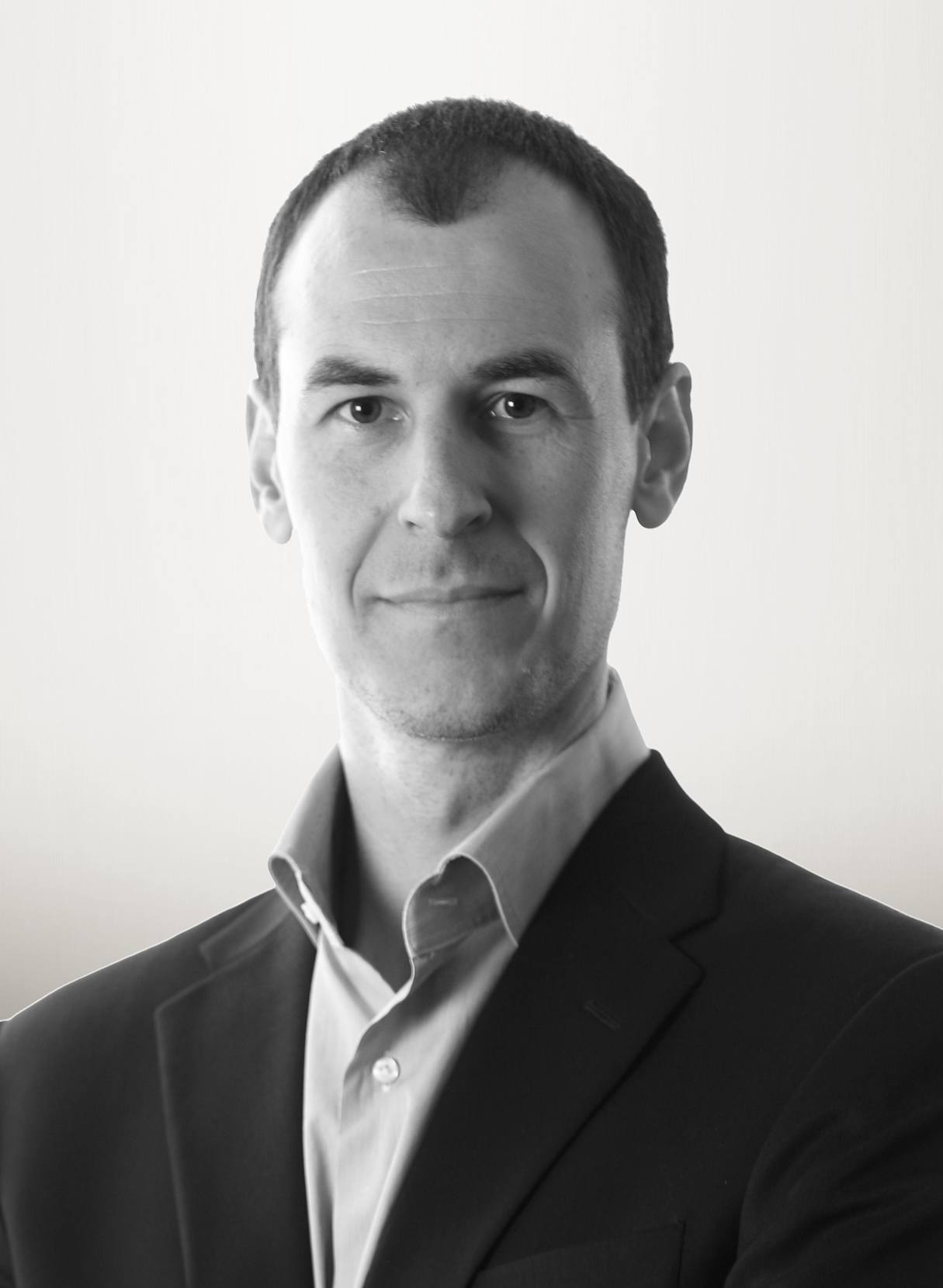
International Bestselling Author | Long-Term Investing Expert
Robert Rolih is the international bestselling author of The Million Dollar
Decision, a book that has been translated into several languages and
featured worldwide. His mission is to expose what the financial industry
doesn’t want you to know about investing and to empower everyday
people to achieve superior long-term results. Robert has helped more
than 7,000 investors in 73 countries simplify their investing approach,
reduce risk, and build wealth with confidence.
Growing up in a small Slovenian village, Robert built his first fortune as
an entrepreneur, only to lose most of it by trusting financial advisers
and so-called gurus. That painful setback fueled years of study into the
hidden practices of the financial industry. Today, Robert runs one of the
most successful long-term investing programs and is recognized for
making complex financial concepts simple, practical, and engaging.
He has shared the stage with Robert Kiyosaki, Gary Vaynerchuk, Brian
Tracy, and Jack Canfield, and his insights have been featured on CNBC,
Yahoo Finance, Bloomberg, and dozens of other outlets.